In the competitive world of construction and architectural design, choosing the right wood is a strategic decision that can significantly impact the durability of your project and the optimization of your costs. As a sawmill specializing in the production of high-quality wood, we understand the importance of every detail in this structural process..
This definitive guide will provide you with the necessary knowledge to select the perfect wood type, grade, and stability, ensuring that your investment translates into long-term strength, efficiency, and peace of mind.
The Origin of a Great Structure: Wood Classification
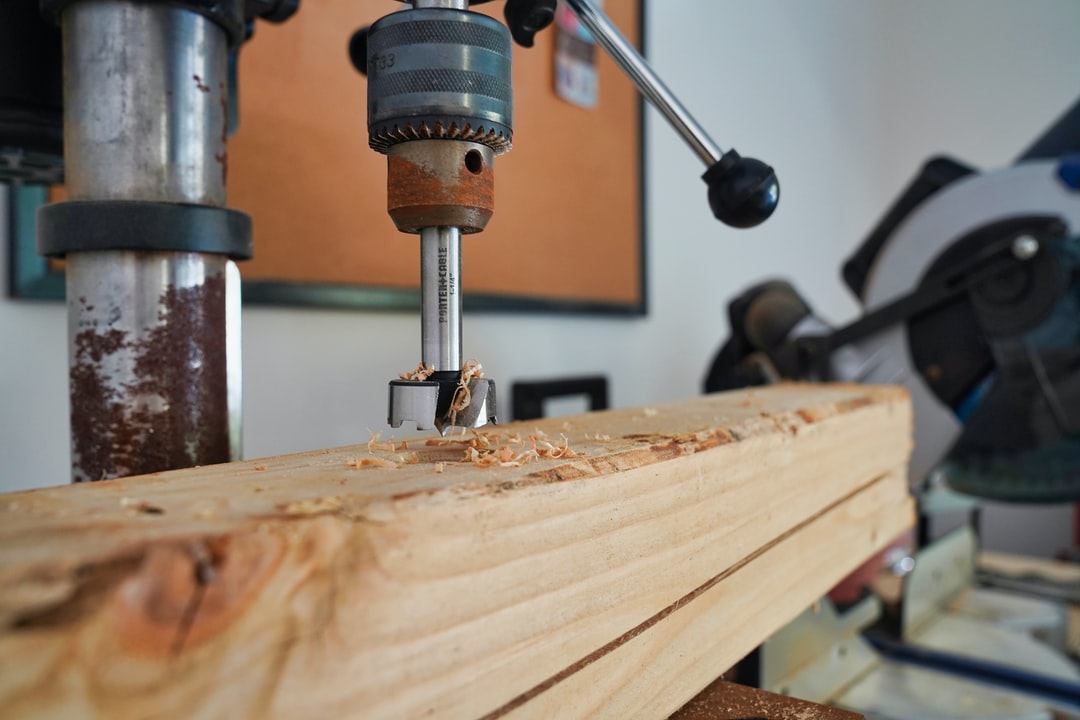
Everything begins in the forest. The quality of a beam or a construction board is intrinsically linked to the raw material from which it is manufactured. In our sawmill, the procurement process is a meticulous task that guarantees the stability and structural integrity of every piece..
Wood is divided into two broad categories, each with a well-defined role in construction:
Softwoods
The Structural Standard. These are ideal for beams, frames, and trusses due to their rapid growth and excellent strength-to-weight ratio. They are more economical and easier to work with.
- Common Examples in Construction: Pine, Spruce, Douglas Fir.
Hardwoods
The Choice for Finishes and Extreme Durability. They are denser, more resistant to abrasion, and offer superior aesthetics. They are reserved for flooring, high-quality furniture, doors, or any element where beauty and hardness are paramount.
- Examples: Oak, Beech, Maple.
We prioritize woods like pine and spruce for structural uses due to their proven reliability. Our commitment to quality leads us to select trees that meet strict growth criteria, ensuring wood free of defects that could compromise the final structural integrity.
Keys to Choosing the Ideal Construction Wood
To make the right decision, it is essential to consider a series of factors that will determine the piece that best suits the demands of your construction project.
1. The Final Use and Required Load
The destination of the wood defines the minimum specification. An unladen interior stud is not the same as a primary supporting beam.
- Structural: Requires woods with a high-strength index and rigorous grading to withstand long-term dynamic and static loads (e.g., beams, trusses).
- Finish/Surface: Aesthetics and abrasion resistance are more important than load capacity (e.g., moldings, flooring, cladding).
2. Moisture Content (MC): Dimensional Stability
The stability of the wood depends directly on the amount of water it contains. Wood that is too wet will shrink, crack, and warp once installed, compromising finishes.
- Kiln Dried (KD - Secado en Horno): Dried industrially to 19% MC or less (often 10-15%). This is the best option for stability.
- Air Dried (AD - Secado al Aire): Dried outdoors, with variable moisture content (usually higher than KD).
Essential for Interiors: Demand kiln-dried (KD) wood with an MC of 19% or less to minimize shrinkage and ensure a stable frame.
3. Grading and Strength Classification
Structural lumber is inspected visually or mechanically and assigned a grade that defines its strength and permissible defects.
- Grade N° 2 Common: The most popular grade for general construction. It offers good strength with healthy knots and minor defects.
- Grade N° 1 or Select: Higher quality, fewer knots, and greater strength. Used in high-load applications or where the piece is visible.
The Importance of Standards: Quality, Stability, and Sustainability
In a serious construction project, complying with standards is not an option—it’s a necessity. This is where key aspects come into play, guaranteeing the legality, stability, and sustainability of your wood materials..
Moisture Content Labeling: Stability Guarantee
Unlike NIMF 15 in logistics, the construction label focuses on stability. Look for the KD (Kiln Dried) or S-Dry (Surface Dry) mark to ensure the wood will not significantly warp during its lifespan. This standard is the wood’s passport for problem-free assembly.
PEFC and FSC Certifications: Commitment to the Planet
Growing environmental awareness has driven the demand for products from responsibly managed sources. PEFC and FSC certifications guarantee that the wood used comes from sustainably managed forests.
- PEFC (Programme for the Endorsement of Forest Certification): Promotes sustainable forest management with a social, economic, and environmental balance.
- FSC (Forest Stewardship Council): Certifies that the wood has been responsibly sourced, respecting the rights of workers, local communities, and biodiversity.
By choosing wood with the PEFC or FSC seals, you are contributing to the protection of the planet’s forests and enhancing your project’s image.
Cost Optimization: A Smart Investment
Choosing the right construction wood, manufactured with quality raw material and the correct dimensional stability, is an investment that translates into long-term savings. A robust and stable beam will minimize the risk of structural failure, reduce the need for costly corrections due to warping, and ensure the longevity of your work.
In our sawmill, we advise you to find the optimal solution that balances quality, performance, and cost, ensuring that every euro invested in your wood translates into efficiency and structural safety for your project.
Ready to take the next step?
Contact us and discover how our high-quality, certified wood, tailored to your needs, can transform your next construction project. Your work deserves the best, and we provide it!